August 26, 2026
Storms can leave behind more than just visible damage. They often create hidden issues that affect the structure, safety, and overall condition of a property. When it comes time to address these problems, many property owners are surprised to find that costs can vary significantly. Understanding why pricing differs is essential for making informed decisions and setting realistic expectations. A professional storm damage restoration service evaluates multiple factors when determining cost, ensuring that each project is handled according to its specific needs and level of damage.
Storm-related damage can range from minor surface issues to severe structural concerns. Because no two situations are identical, restoration pricing is rarely one-size-fits-all. Factors such as the extent of water intrusion, the materials affected, and the time required for restoration all influence the final cost. Working with an experienced storm damage restoration service helps property owners understand these variables and ensures that the restoration process is both thorough and efficient. Clear communication about these factors also helps eliminate uncertainty during a stressful time.
According to HomeGuide, water damage restoration costs are often categorized into four levels based on severity, ranging from level one, which represents minimal damage, to level four, which involves extensive and costly restoration. This classification system highlights how the severity of damage directly impacts pricing. Understanding these levels provides valuable insight into why restoration costs can vary so widely. Here are the key factors that influence pricing and how each one contributes to the overall cost of restoring a property after a storm.
Assessing the Extent of Damage Severity
Evaluating Surface-Level Damage
Minor damage often includes superficial issues such as small leaks, limited debris, or localized water intrusion. These situations typically require less time and fewer resources to resolve. While still important to address promptly, they generally fall on the lower end of the pricing spectrum due to their limited scope.
Identifying Structural Impact
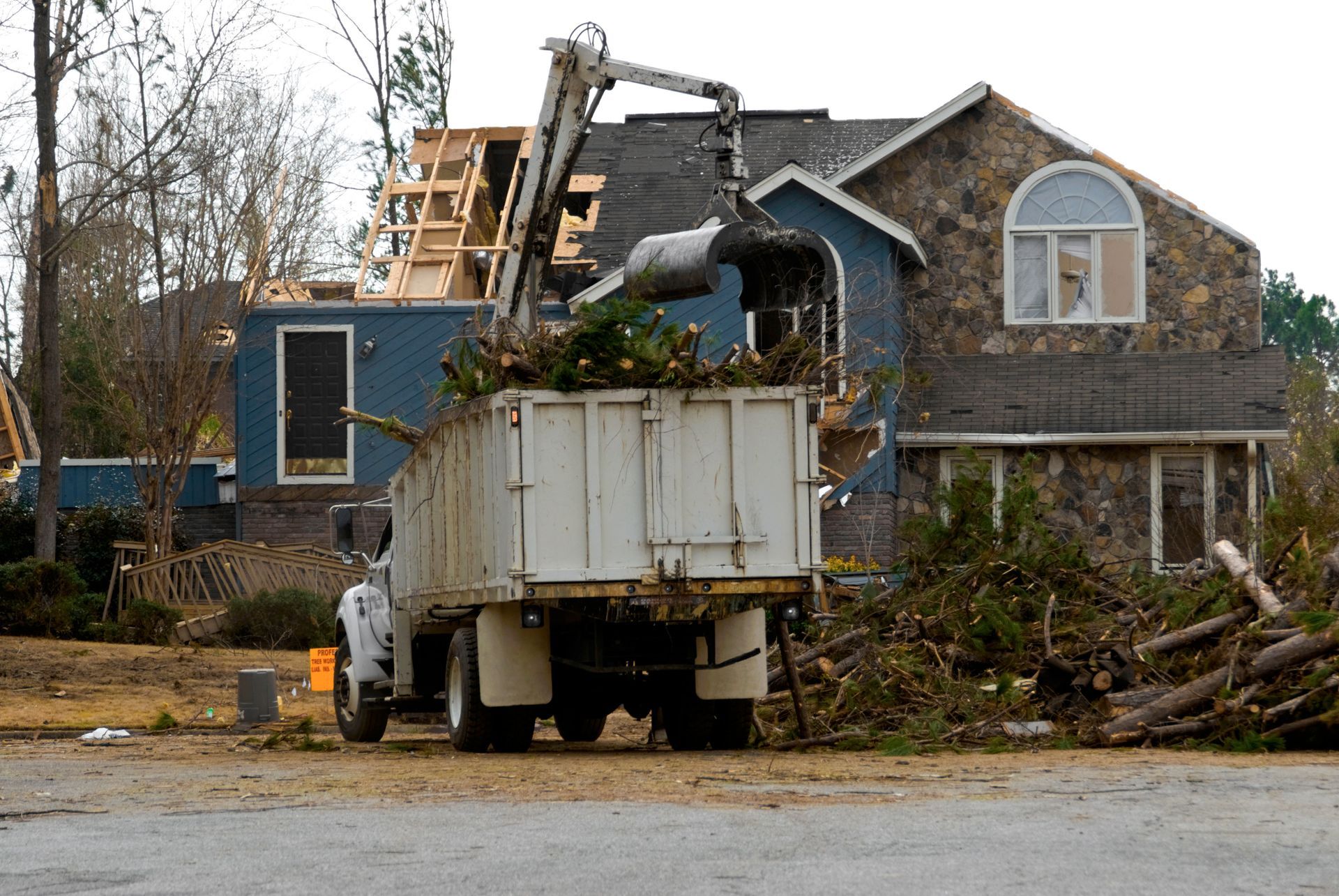
When storms compromise structural elements such as roofing, framing, or foundations, the restoration process becomes more complex. Structural repairs require specialized expertise and additional materials, which can significantly increase costs. A storm damage restoration service carefully evaluates these areas to ensure safety and stability.
Recognizing Hidden Damage
Not all damage is immediately visible. Moisture can penetrate walls, flooring, and insulation, leading to long-term issues if not properly addressed. Detecting and resolving hidden damage requires advanced tools and thorough inspection, which can add to the overall cost.
Determining Restoration Scope
The overall scope of work plays a major role in pricing. Larger areas affected by damage require more labor, materials, and time. This expanded scope directly impacts the total cost of restoration services.
Understanding Water Damage Classification Levels
Classifying Water Intrusion Types
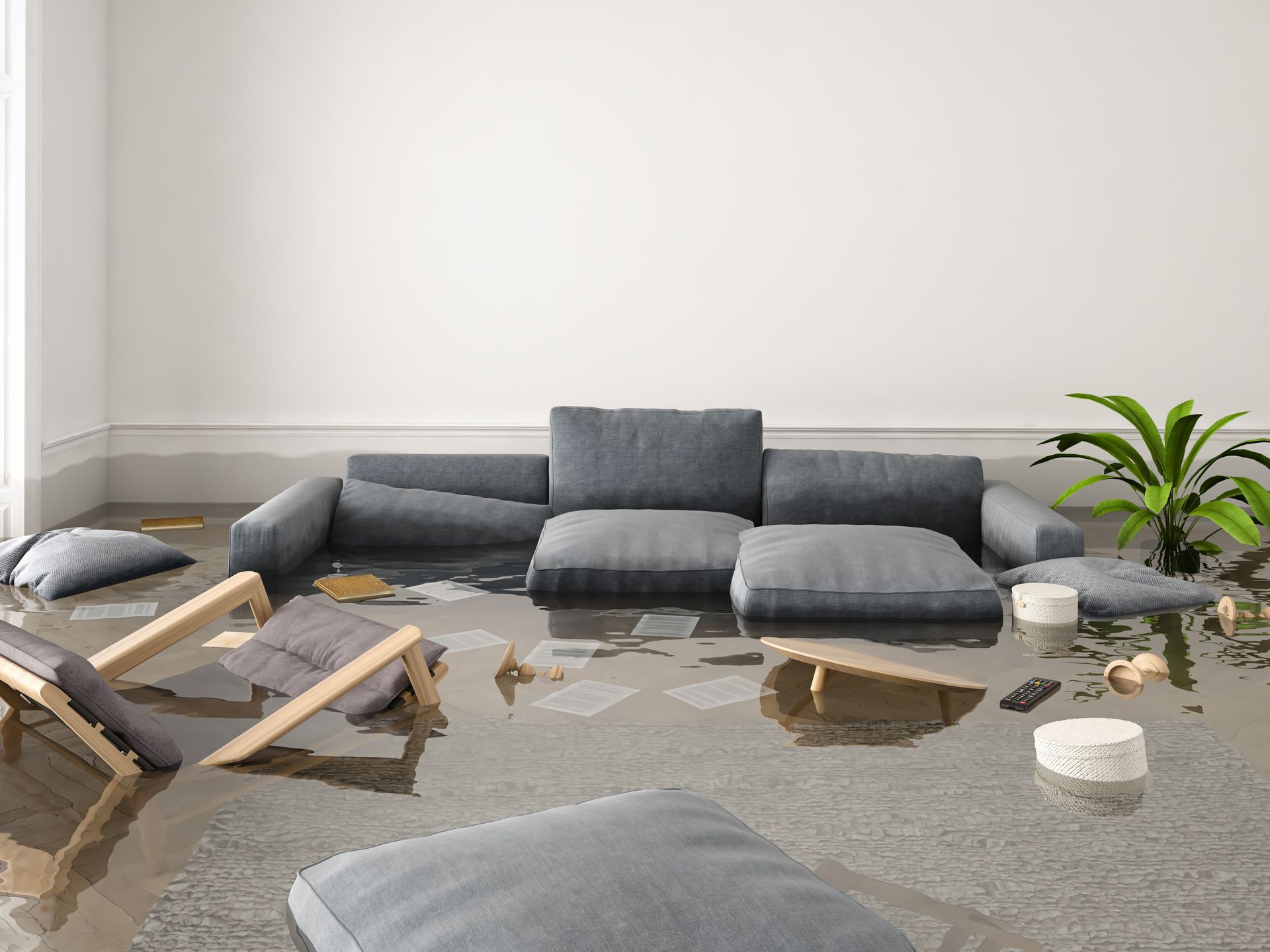
Water damage is categorized based on the level of contamination and the extent of absorption. Clean water, gray water, and black water each require different handling methods. Higher contamination levels demand more intensive cleaning and safety precautions, increasing costs.
Measuring Absorption Rates
Different materials absorb water at varying rates. Porous materials such as drywall and carpeting can retain significant moisture, requiring more extensive drying and replacement processes. These factors contribute to pricing differences across projects.
Evaluating Affected Materials
The type of materials impacted by water damage influences restoration complexity. Hardwood flooring, insulation, and structural components often require specialized treatment or replacement, which can increase overall costs.
Determining Category Level Impact
As damage progresses from level one to level four, the resources required for restoration increase substantially. A storm damage restoration service uses these classifications to determine the appropriate approach and associated costs.
Considering Labor and Equipment Requirements
Utilizing Specialized Equipment
Restoration projects often require advanced equipment such as industrial dehumidifiers, air movers, and moisture detection tools. The use of specialized equipment ensures effective results but also contributes to overall pricing.
Allocating Skilled Labor
Experienced professionals are essential for handling complex restoration tasks. Skilled labor ensures that repairs are completed safely and efficiently, but it also represents a significant portion of the total cost.
Managing Project Duration
The length of time required to complete a restoration project affects labor costs. More extensive damage typically requires longer timelines, increasing the overall expense.
Coordinating Multiple Services
Some projects involve multiple aspects of restoration, including water removal, structural repairs, and mold remediation. Coordinating these services requires additional resources and expertise, impacting pricing.
Evaluating Property Size and Layout
Assessing Square Footage Impact
Larger properties generally require more materials and labor to restore. Increased square footage means more areas to inspect, clean, and repair, which directly influences costs.
Considering Accessibility Challenges
Properties with difficult access points or complex layouts may require additional effort to complete restoration work. Limited accessibility can slow down the process and increase labor requirements.
Analyzing Multi-Level Structures
Multi-story buildings present unique challenges when addressing storm damage. Water can travel between levels, affecting multiple areas and increasing the scope of work.
Evaluating Layout Complexity
Intricate layouts with multiple rooms or unique architectural features can complicate restoration efforts. This added complexity often results in higher costs due to increased labor and planning.
Accounting for Material Replacement and Repairs
Replacing Damaged Materials
Severely damaged materials often need to be replaced rather than repaired. The cost of new materials, combined with installation, can significantly impact overall pricing.
Matching Existing Finishes
Restoration projects often require matching existing finishes to maintain consistency. This process can involve sourcing specific materials or custom work, which may increase costs.
Repairing Structural Components
Structural repairs are among the most critical aspects of restoration. Ensuring the integrity of the property requires careful attention and specialized expertise.
Restoring Interior Spaces
Interior restoration may include repairing walls, flooring, and ceilings. These tasks contribute to the overall cost, particularly when extensive damage is involved.
Factoring in Emergency Response and Timing
Responding to Urgent Situations
Storm damage often requires immediate attention to prevent further deterioration. Emergency response services may come at a premium due to the urgency and resources required.
Preventing Secondary Damage
Delays in restoration can lead to additional issues such as mold growth or structural weakening. Addressing damage quickly helps minimize long-term costs, even if initial expenses are higher.
Scheduling Availability
High demand for restoration services following major storms can impact pricing. Limited availability may require adjustments to timelines and resources.
Managing Seasonal Demand
Certain times of the year experience higher volumes of storm-related damage. Increased demand during these periods can influence overall pricing for restoration services.
Understanding why restoration pricing varies is essential for making informed decisions after a storm. From the severity of damage and water classification levels to labor requirements and material costs, each factor plays a role in determining the final price. A professional storm damage restoration service ensures that every aspect of the project is evaluated thoroughly, providing a clear and accurate estimate based on the specific conditions of the property.
By recognizing these variables, property owners can better prepare for the restoration process and understand the value of professional services. Investing in proper restoration not only addresses immediate damage but also helps protect the long-term integrity and safety of the property. Clear expectations and informed decisions lead to more effective outcomes and greater peace of mind.
If your property has been affected by a storm and you need reliable support, contact Just Brilliant Restoration Corp today to learn how a storm damage restoration service can provide thorough, efficient, and dependable solutions tailored to your needs.