July 31, 2026
The aftermath of a severe weather event can feel completely overwhelming for property owners, leaving behind extensive physical destruction that disrupts your daily routine. Investing in professional storm damage restoration represents a critical step toward returning your home to its original condition while protecting the long-term safety of everyone inside.
Taking immediate action after a destructive weather event prevents secondary structural degradation and simplifies your long-term property recovery efforts. Securing professional assistance and thoroughly documenting your property losses right away will establish a clear path forward for your upcoming insurance assessments and make the entire transition feel far more manageable.
Evaluate the Impact of Severe Storms
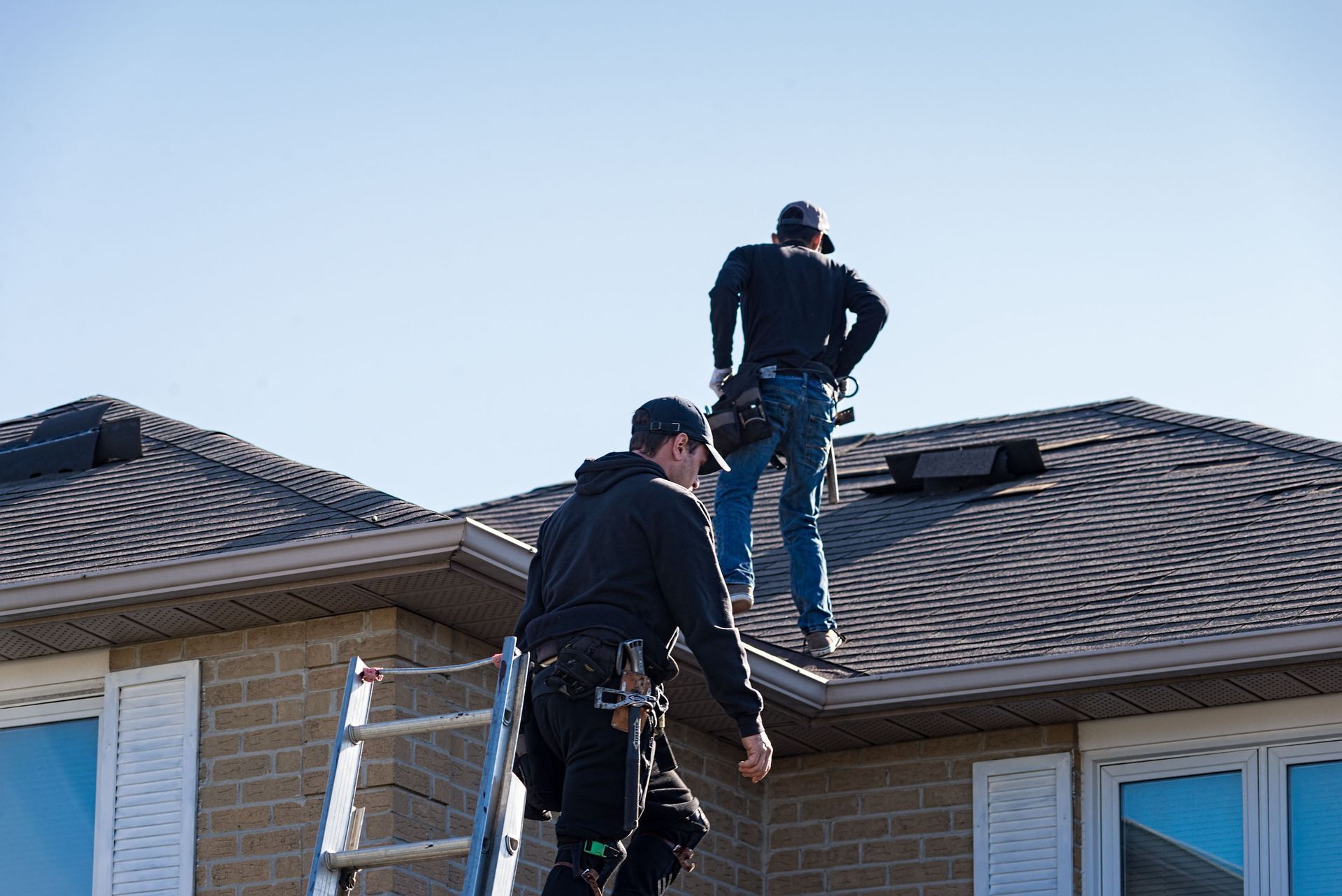
High winds and torrential downpours can quickly compromise your roofing system, shatter window panes, and allow moisture to penetrate deep into interior walls. Initiating a timely storm damage restoration plan allows qualified professionals to identify these immediate vulnerabilities before they cause long-term structural failures and complicate your cleanup approach.
A comprehensive property assessment must look past obvious surface destruction to identify hidden safety issues like compromised electrical wiring or subfloor dampness. Property owners should realize that, according to HomeGuide, severe water damage stemming from severe weather events or contaminated water can take anywhere from 3 weeks to several months to fully resolve, often depending heavily on contractor availability.
Many individuals mistakenly believe that minor ceiling leaks do not require immediate professional attention, which frequently leads to costly structural rot and widespread decay later. Relying solely on temporary fixes often leaves deep-seated moisture completely unaddressed. Getting an expert opinion guarantees that every compromised area is handled correctly from the beginning.
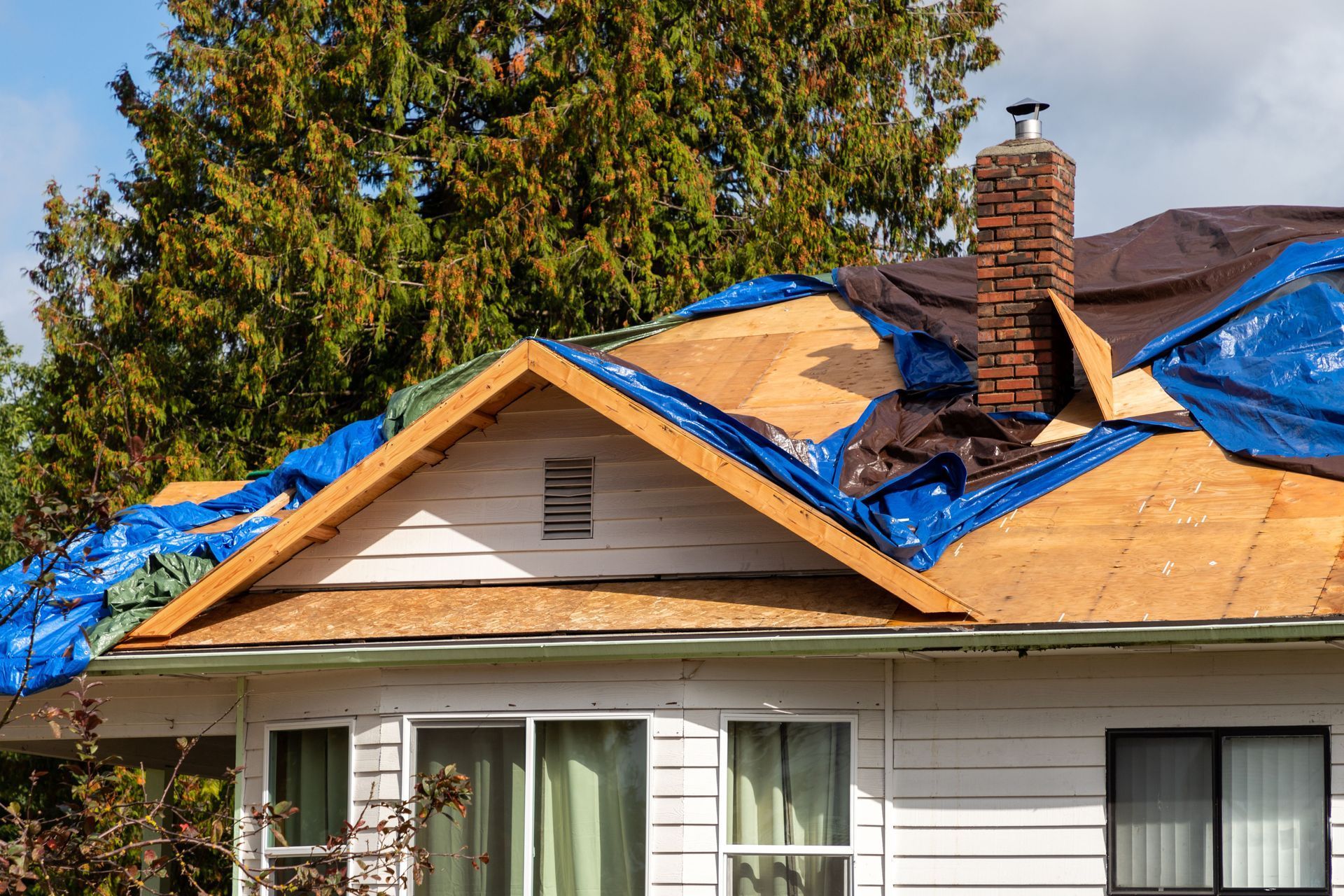
Monitoring local weather conditions after a severe event remains necessary for scheduling permanent external reconstructions safely without risking further indoor exposure. Persistent rain or high humidity can slow down material drying times and complicate temporary tarping measures. Professional teams utilize specialized forecasts to ensure your home stays protected during ongoing seasonal changes.
Hire a Qualified Property Restoration Professional
Selecting a licensed contractor who specializes in comprehensive storm damage restoration will determine the overall speed and quality of your residential recovery. Homeowners should look for established companies that provide full-service solutions encompassing water extraction and structural repairs. Partnering with a single experienced team simplifies communication throughout the rebuilding process.
Verifying industry certifications and state licenses ensures that your chosen team follows strict safety protocols and modern local building codes. Reputable organizations train technicians in advanced structural drying methodologies, giving you complete confidence in their craftsmanship. Working with an insured contractor protects your property and guarantees adherence to rigorous professional standards.
Reading authentic customer testimonials on independent platforms provides clear insights into a company's actual reliability and field performance during crises. Evaluating pattern-driven feedback regarding response times and communication quality helps you avoid untrustworthy operations. Combining personal referrals with online research allows you to make an informed decision for your peace of mind.
Requesting detailed cost estimates from multiple providers helps you understand regional pricing structures without sacrificing the quality of professional workmanship. Transparent estimates break down expenditures into labor, equipment usage, and specific materials, preventing surprises. Property owners should remain wary of unusually low bids, which often indicate shortcuts or inferior building products.
Mitigate Moisture Damage and Prevent Mold
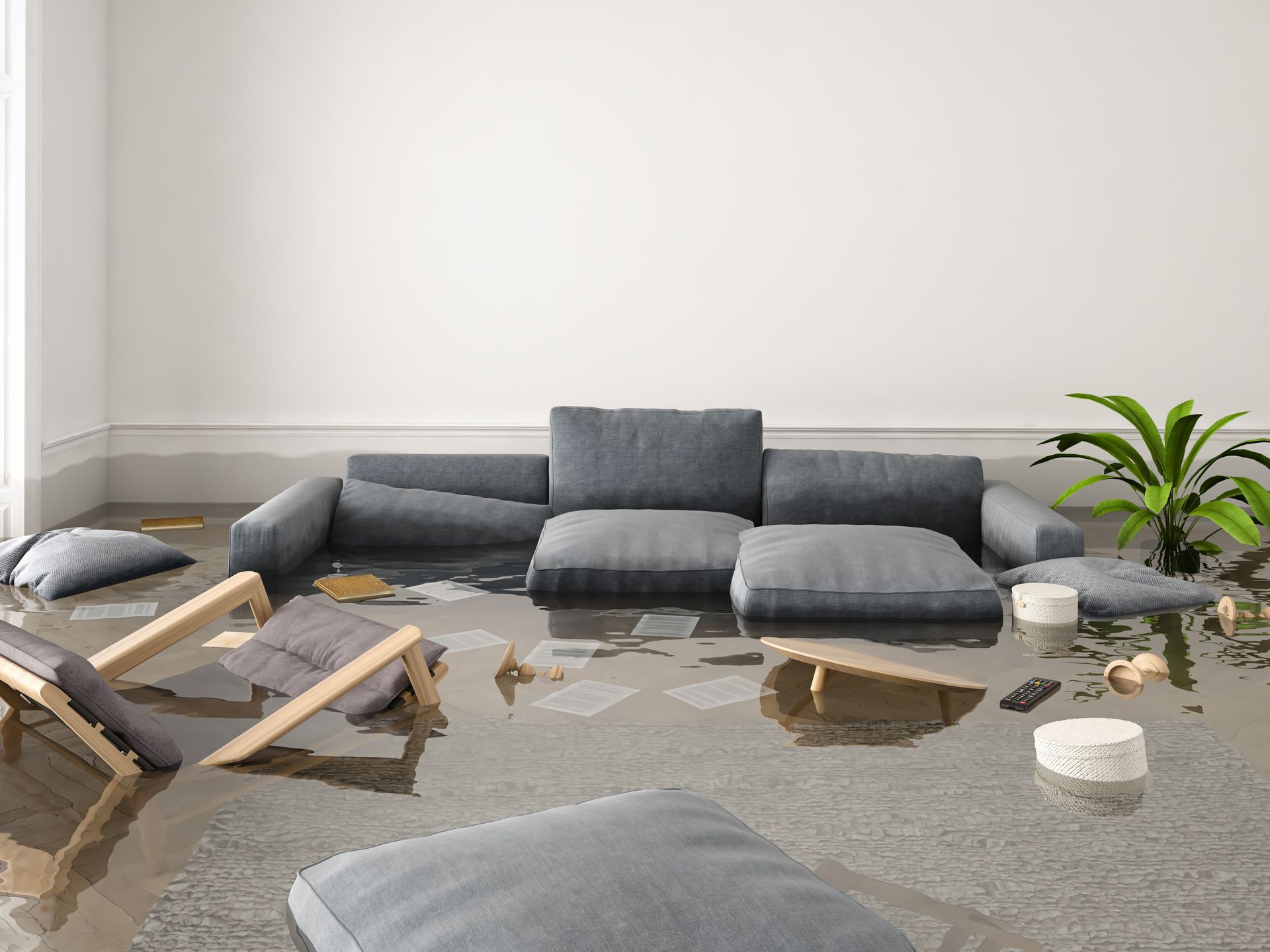
The core phase of any successful storm damage restoration project involves rapid water extraction and structural drying using industrial machinery. Specialists deploy heavy-duty pumps and specialized vacuums to clear standing water before it warps floors or compromises structural foundations. Removing bulk water immediately stabilizes the indoor climate and limits the spread of severe issues.
Following bulk water removal, technicians position industrial air movers and desiccant dehumidifiers to draw deep moisture out of structural framing. Continuous airflow evaporates hidden dampness trapped inside drywall cavities and beneath floor coverings, restoring acceptable humidity levels. Monitoring these moisture levels daily ensures that building materials dry completely before cosmetic reconstruction begins.
Fungal spores thrive in damp conditions within a day or two, making immediate environmental containment essential for safety. Mitigation experts establish negative pressure zones and utilize specialized filtration systems to capture airborne contaminants during the cleanup. Thoroughly sanitizing affected areas with professional antimicrobial treatments eliminates biological hazards and protects your indoor air quality.
Implementing long-term mold prevention strategies requires sealing external structural leaks, improving attic ventilation, and managing indoor humidity levels effectively. Addressing these underlying moisture issues builds property resilience against future weather events while preserving your home's value. Proactive environmental management ensures a healthy living space for your family well after work concludes.
Rebuild Compromised Structural Elements Safely
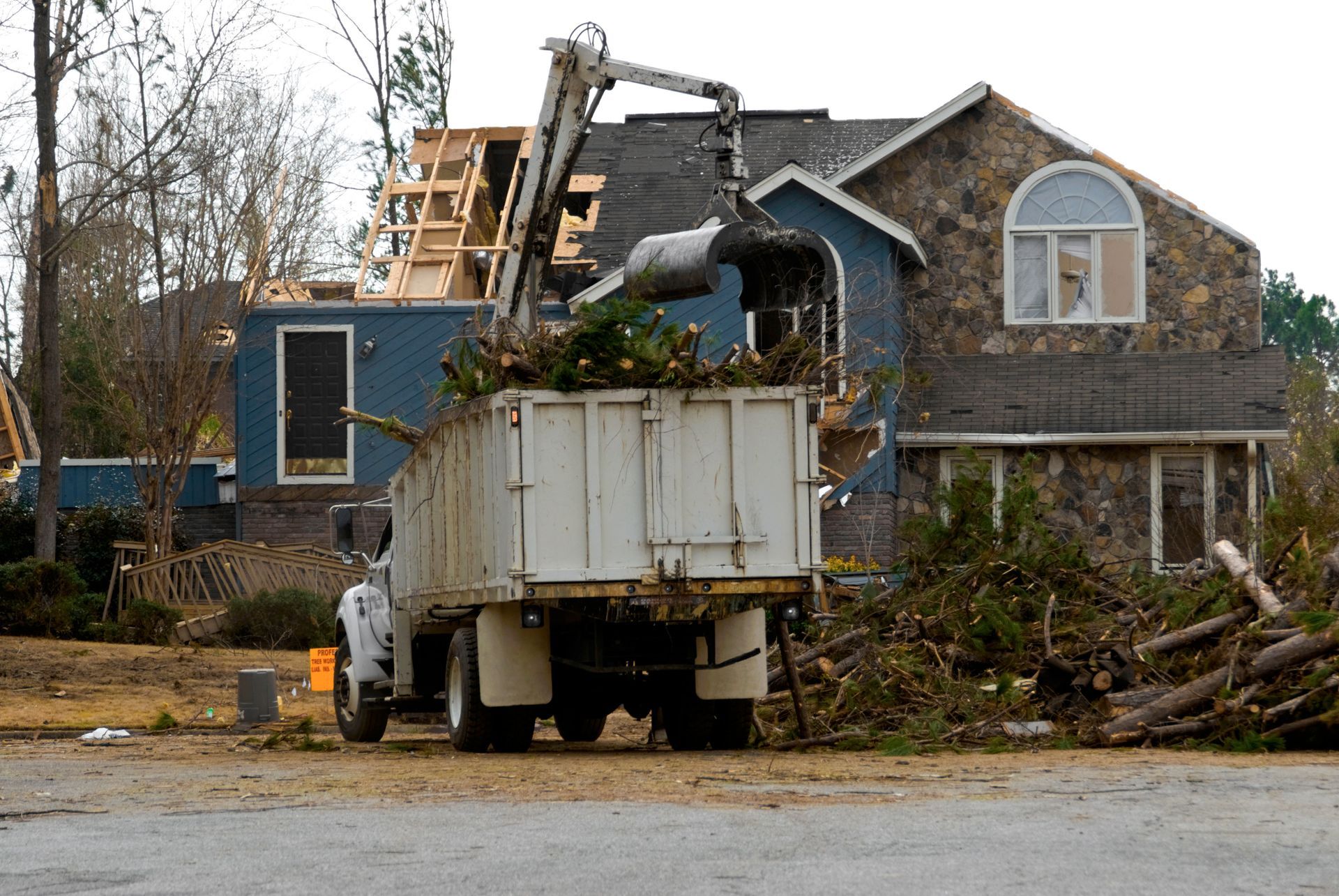
Restoring the physical stability of your property requires addressing compromised roofing, broken trusses, and weakened foundation elements immediately. Professional storm damage restoration crews prioritize structural reinforcement to guarantee that the building remains entirely safe for incoming trade workers. This foundational stabilization prevents further wall shifts or ceiling collapses while interior remediation activities move forward.
Comprehensive reconstruction often involves replacing torn shingles, rebuilding damaged exterior siding, and installing new weather-resistant window units. Matching these new materials with your home's original design elements preserves visual continuity throughout your neighborhood. Modern construction materials also offer enhanced durability, increasing your home's defense against subsequent severe weather events.
Material supply constraints and localized labor shortages can occasionally influence reconstruction timelines during widespread regional disasters. Maintaining open communication with your project manager allows you to track material deliveries and adapt schedules as necessary. Experienced contractors manage these logistical challenges effectively to keep the restoration moving forward without sacrificing construction quality.
Conducting comprehensive final inspections ensures that every repaired feature meets local building codes and strict safety standards. Technicians verify electrical safety, evaluate external drainage paths, and test newly installed structural components for maximum stability. This rigorous quality assurance process confirms that your home is completely restored and ready for safe reoccupation.
Manage Insurance Claims and Financial Documentation
Successfully managing your financial recovery involves understanding the precise terms, policy limits, and deductibles of your homeowner coverage. Initiating your storm damage restoration process with a clear understanding of covered perils prevents unexpected out-of-pocket expenses later. Reviewing your policy details with an agent helps clarify exclusions and streamlines your overall claims approach.
Filing an insurance claim promptly requires submitting a detailed inventory of destroyed personal belongings alongside high-resolution property photographs. Property owners should report losses to their insurance provider immediately to schedule an official adjuster visit. Providing organized evidence of the storm damage supports accurate evaluations and accelerates the distribution of necessary repair funds.
Collaborating closely with your insurance adjuster helps ensure that the full scope of property damage is recognized and covered. Accompanying the adjuster during their physical walkthrough allows you to point out subtle issues like structural cracks or water stains. Keeping meticulous records of all phone calls and written correspondence maintains transparency throughout the evaluation.
Reviewing the initial settlement offer carefully allows you to confirm that the provided funding matches your actual repair quotes. If the insurance payout falls short of professional restoration assessments, you retain the right to submit supplementary evidence. Presenting detailed contractor documentation helps justify policy adjustments and secures the resources needed for a full recovery.
Recovering from severe weather damage requires patience, clear organization, and a systematic approach to property reconstruction. By understanding what lies ahead during each phase of recovery, you can make informed decisions that protect your investment. Prioritizing safety, hiring certified experts, and managing your insurance claim carefully will lead to a successful property renewal.
Returning your property to a safe, comfortable state is entirely achievable with the right professional support by your side. Let our experienced team manage your upcoming storm damage restoration project to ensure every detail is handled with precision and care. Contact us today at Just Brilliant Restoration Corp so we can help you rebuild your home safely.