Preparing for Storm Damage Restoration Services After a Hail Storm
Severe weather events can disrupt daily life in a matter of minutes, leaving homes and properties vulnerable to immediate and long-term consequences. Heavy rain, hail, strong winds, and flooding often cause visible destruction, but the most serious issues are frequently hidden beneath surfaces or within structural systems. What may appear to be minor damage can evolve into extensive deterioration if not addressed promptly and correctly. For homeowners, understanding how professional intervention mitigates these risks is essential for protecting both property value and occupant safety. Engaging qualified storm damage restoration services plays a critical role in preventing problems that may otherwise worsen over time, leading to costly repairs and prolonged disruption.
When restoration efforts are delayed or handled improperly, moisture intrusion, compromised materials, and structural instability can continue to spread. These issues often develop silently, making early professional involvement a decisive factor in long-term outcomes. By combining technical expertise, specialized equipment, and a comprehensive approach, restoration professionals help ensure that damage is not only repaired but also prevented from recurring.
Assessing Hidden Structural Vulnerabilities
One of the most important steps following a storm is identifying damage that is not immediately visible. While missing shingles, broken siding, or fallen debris may be obvious, storms often weaken structural components beneath the surface. Water can seep into wall cavities, insulation, and framing, while high winds may loosen fasteners or shift load-bearing elements. Without a thorough inspection, these issues can remain undetected until they result in sagging ceilings, warped walls, or compromised foundations.
Professional storm damage restoration services are trained to conduct detailed assessments using moisture meters, thermal imaging, and industry-standard evaluation techniques. These tools allow specialists to locate trapped moisture and structural weaknesses that are not apparent during a basic visual inspection. By addressing these vulnerabilities early, restoration professionals reduce the likelihood of gradual deterioration that can undermine a building’s integrity over time.
Early assessment also supports more accurate repair planning. Instead of addressing symptoms as they appear, professionals focus on resolving underlying causes, ensuring that repairs are comprehensive rather than temporary. This proactive approach significantly reduces the risk of recurring damage and long-term structural failure.
Preventing Progressive Water Intrusion
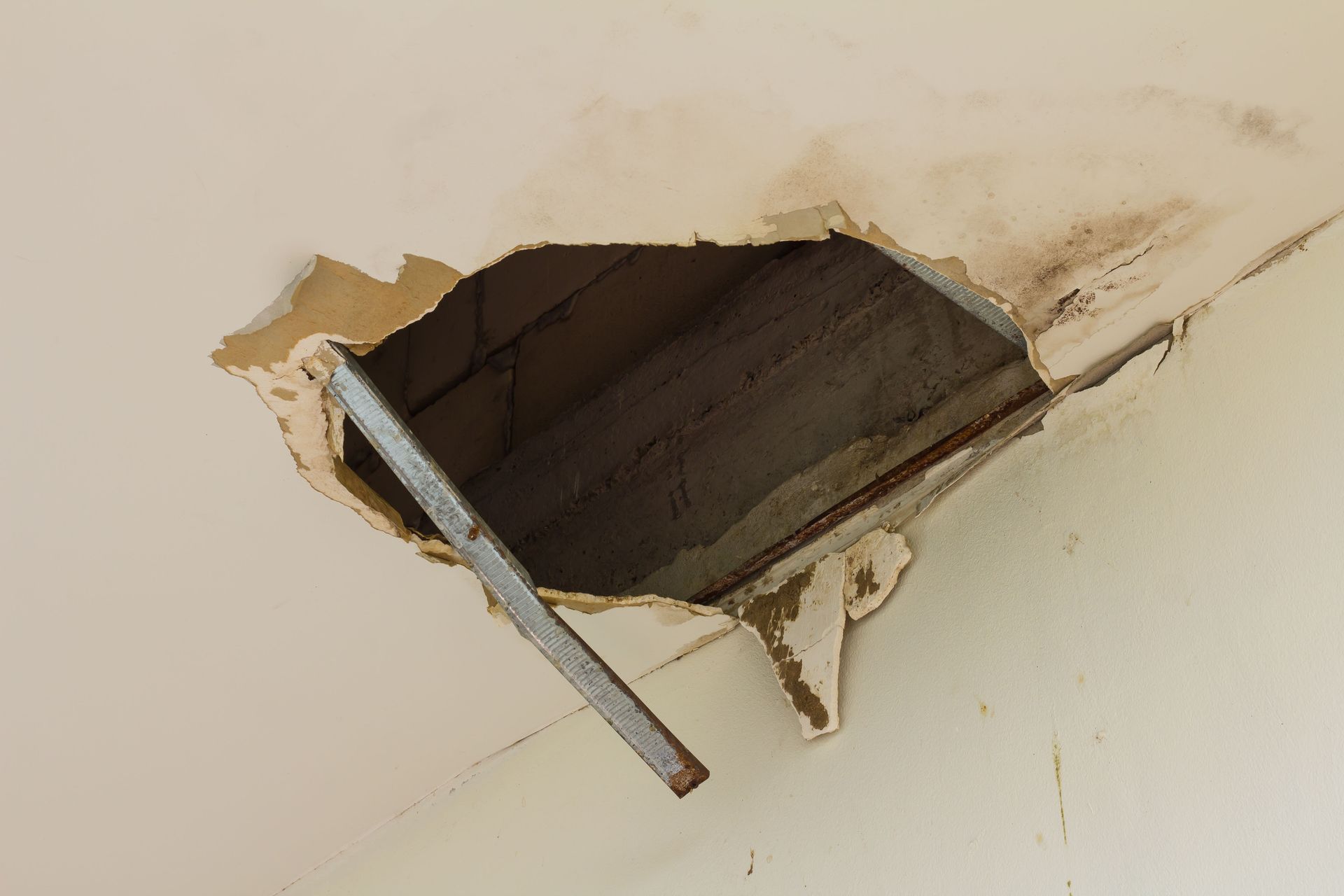
Water intrusion is one of the most destructive consequences of storm-related damage. Even small leaks can lead to widespread problems if moisture continues to migrate through building materials. Over time, persistent dampness weakens wood, corrodes metal components, and deteriorates drywall and insulation. In many cases, homeowners do not notice these issues until staining, odors, or visible decay become evident.
Storm damage restoration services are designed to address water intrusion at its source. Professionals identify entry points, such as damaged roofing, compromised flashing, or foundation cracks, and implement targeted repairs to stop further infiltration. They also use industrial-grade drying equipment to remove residual moisture, preventing it from lingering within enclosed spaces.
This process is essential for preventing secondary damage. When moisture remains trapped, it can spread laterally through materials, affecting areas far from the original point of entry. By thoroughly drying and sealing affected components, restoration professionals help preserve the structural stability of the property and prevent long-term degradation that may otherwise require extensive reconstruction.
Reducing the Risk of Mold Development
Mold growth is a common and serious consequence of untreated storm damage. Moist environments created by leaks or flooding provide ideal conditions for mold spores to thrive, often within 24 to 48 hours. Once established, mold can spread rapidly, affecting walls, flooring, and HVAC systems. Beyond property damage, mold poses health risks, particularly for individuals with respiratory conditions or compromised immune systems.
Professional storm damage restoration services incorporate mold prevention as a core component of their response. By promptly removing moisture and contaminated materials, professionals significantly reduce the conditions that allow mold to develop. When mold is already present, trained technicians follow established remediation protocols to safely remove affected materials and prevent cross-contamination.
This controlled approach is critical because improper cleanup can inadvertently spread mold spores throughout the home. Restoration professionals employ containment measures and specialized filtration equipment to safeguard indoor air quality throughout the process. Through these methods, they help ensure that mold-related issues do not become a recurring or escalating problem.
Stabilizing Building Materials and Systems
Storms place significant stress on a property’s materials and systems, often weakening them even if failure is not immediately apparent. Roofing materials may lose their protective granules, siding can become loosened, and windows or doors may shift out of alignment. Mechanical systems, such as electrical wiring and HVAC components, may also be exposed to moisture or debris.
Storm damage restoration services focus on stabilizing these elements before further deterioration occurs. Professionals evaluate the condition of materials and determine whether repairs or replacements are necessary to restore proper function. By reinforcing or replacing compromised components, they help prevent minor damage from escalating into system-wide failures.
Stabilization also supports energy efficiency and indoor comfort. For example, sealing damaged building envelopes reduces air leakage, which helps maintain consistent indoor temperatures and prevents additional moisture intrusion. Over time, these measures contribute to a more resilient structure that is better equipped to withstand future weather events.
Supporting Insurance Documentation and Compliance
Navigating insurance claims after a storm can be complex and time-consuming. Accurate documentation is essential for ensuring that damage is properly assessed and covered. Incomplete or delayed reporting may result in denied claims or insufficient compensation, leaving homeowners responsible for significant repair costs.
Professional storm damage restoration services often assist with documentation by providing detailed reports, photographs, and itemized estimates. This information helps insurance adjusters understand the full extent of the damage, including issues that may not be immediately visible. According to the Insurance Information Institute, the United States experienced more than 5,300 major hail events in 2024, highlighting the growing frequency of severe weather and the importance of accurate claims handling.
By working closely with insurers, restoration professionals help streamline the claims process and reduce delays. Their expertise ensures that repairs meet industry standards and local building codes, minimizing the risk of disputes or rework. This coordinated approach allows homeowners to focus on recovery while ensuring that restoration efforts are both thorough and compliant.
Minimizing Long-Term Financial Impact
The financial consequences of storm damage extend far beyond initial repairs. When damage is not addressed promptly, secondary issues such as rot, mold, and structural instability can significantly increase repair costs. In some cases, delayed intervention may even lead to partial or full replacement of major structural components.
Storm damage restoration services help minimize these long-term expenses by addressing problems early and comprehensively. By preventing the spread of damage, professionals reduce the scope of necessary repairs and protect the overall value of the property. This proactive investment often proves more cost-effective than repeated repairs or extensive renovations caused by neglect.
Preserving Property Safety and Habitability
Beyond financial considerations, untreated storm damage can compromise the safety and habitability of a home. Structural weaknesses, electrical hazards, and poor indoor air quality all pose risks to occupants. Over time, these conditions can make a property unsafe to inhabit, requiring temporary relocation or extensive remediation.
Storm damage restoration services prioritize restoring safe living conditions as quickly as possible. Professionals address hazards such as exposed wiring, unstable structures, and contaminated materials to ensure that the home meets safety standards. Their work not only repairs physical damage but also restores confidence in the home’s overall condition.
In the aftermath of severe weather, timely and professional intervention is one of the most effective ways to protect a property from escalating damage. Through thorough assessments, moisture control, material stabilization, and expert coordination, storm damage restoration services play a vital role in preventing long-term deterioration and preserving property value. Call Just Brilliant Restoration Corp today to schedule your storm restoration service.
Share On: